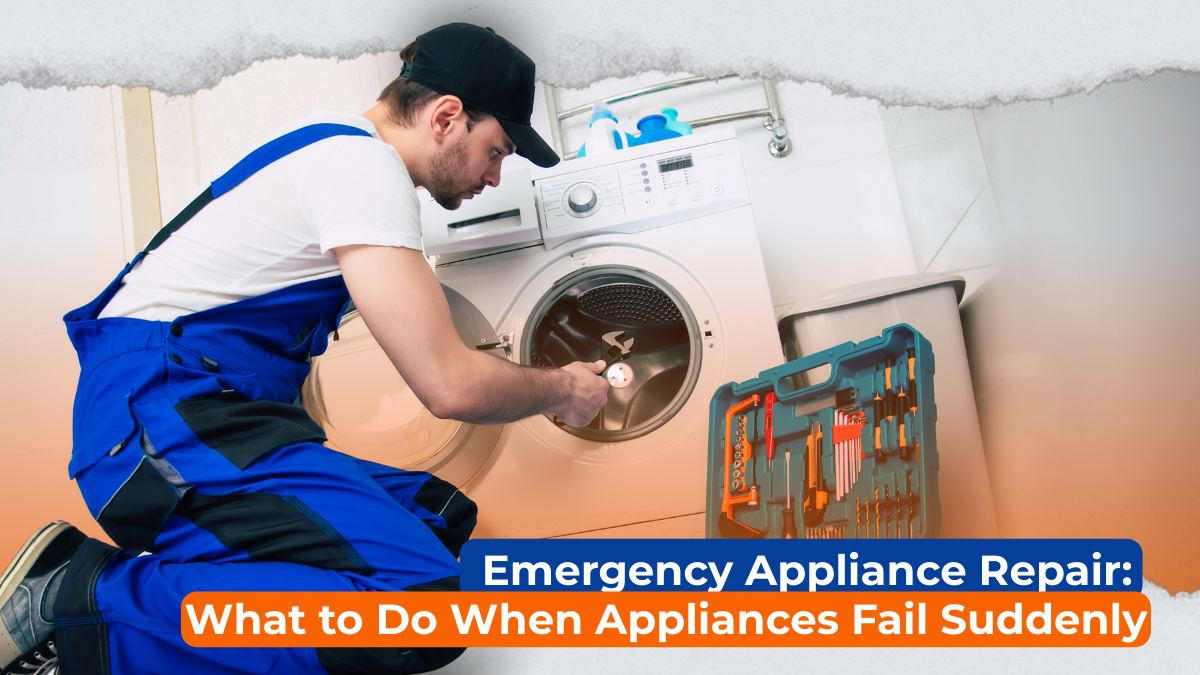
When a major appliance stops working without warning, stress usually follows. A refrigerator that stops cooling overnight, a dishwasher that floods the kitchen, or a dryer that suddenly burns out can disrupt daily routines and even cause property damage. This is where emergency appliance repair becomes essential.
Most homeowners want to know two things right away. What should I do in the first few minutes, and how do I get fast help? In this guide, we walk through the safety steps, troubleshooting tips, and booking process so you can handle appliance emergencies with confidence. At Dr. Home Fixer, we make it easy to find local appliance repair pros who respond quickly and are fully verified for safety and skill.
This complete homeowner’s guide helps you take the right actions the moment an appliance fails. Understanding these steps can prevent bigger damage and reduce repair costs in the long run.
What Counts as an Appliance Emergency
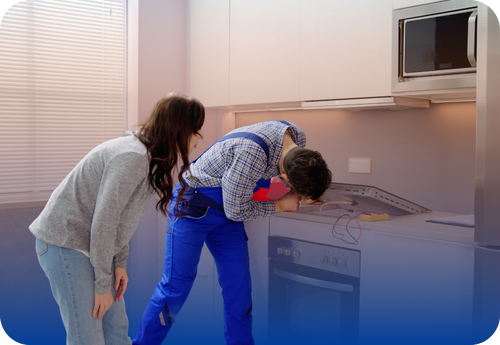
Not every appliance issue is an emergency. But some failures need immediate attention because they can cause damage, safety hazards, or major disruption in the home.
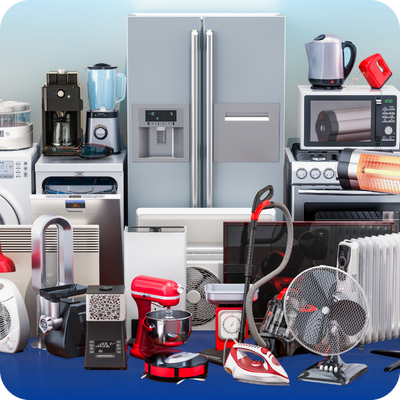
Here are the most common situations that qualify as an emergency appliance repair need:
1. Refrigerator or Freezer Not Cooling
Food begins to spoil within hours when temperatures rise. This makes fridge and freezer failure one of the most urgent situations.
2. Washing Machine Overflowing or Leaking
Water damage spreads quickly. If your washer overflows or leaks heavily, it becomes both a structural and a safety concern.
3. Dryer Overheating or Producing a Burning Smell
Overheating dryers are a fire hazard. If you smell burning or notice excess heat, stop the appliance immediately.
4. Oven Not Turning Off or Overheating
Any appliance linked to high heat becomes dangerous if it fails suddenly. Gas ovens also pose carbon monoxide risks.
5. Dishwasher Leaks or Stops Mid Cycle with Standing Water
This can cause flooding, mold growth, and electrical hazards.
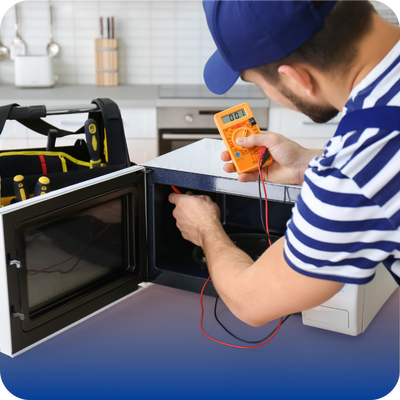
6. Microwave Sparks or Trips the Breaker
Electrical issues in microwaves can be serious and require immediate diagnosis.
7. Any Appliance Causing Smoke, Sparks, or Electrical Odor
This is always an emergency since electrical failures can lead to household fires.
When in doubt, treat anything involving water, heat, or electrical problems as an urgent issue.
Safety Steps to Take Immediately

Before attempting any quick fixes, your priority is safety. These steps protect you and your home from more serious damage.
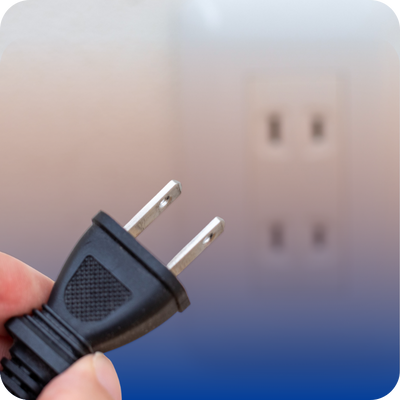
1. Disconnect the Appliance
Unplug it if safe to do so. If sparks or water are present, turn off the breaker instead.
2. Turn Off Water Supply for Leaks
Most dishwashers and washers have shutoff valves nearby. Stopping the water flow prevents flooding.

3. Stop Using the Appliance Right Away
Even if it seems to be working again, do not restart it until a technician completes an appliance diagnosis.
4. Ventilate the Area if You Smell Gas or Burning
Open windows and leave the room to avoid carbon monoxide or smoke exposure.

5. Keep Children and Pets Away
Electrical failures, sharp objects, or slippery floors can be dangerous. These first steps take only minutes but prevent much bigger headaches.

Quick Troubleshooting Before Calling a Technician
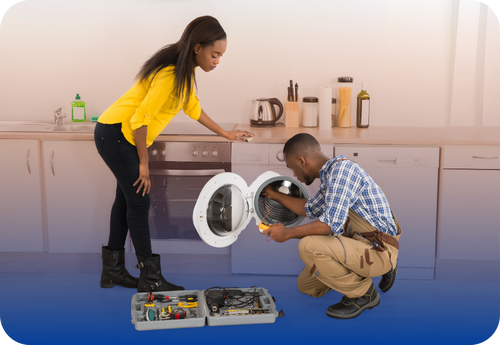
While emergencies require fast action, a few simple checks may help you understand the issue better. These steps do not replace professional service, but they can help reduce repair time.
1. Check the Power Source
Sometimes the outlet or breaker is the issue, not the appliance.
- Is the breaker tripped?
- Is the plug loose?
- Is the outlet dead?
Try plugging another device into the same outlet to test it.
2. Look for Error Codes
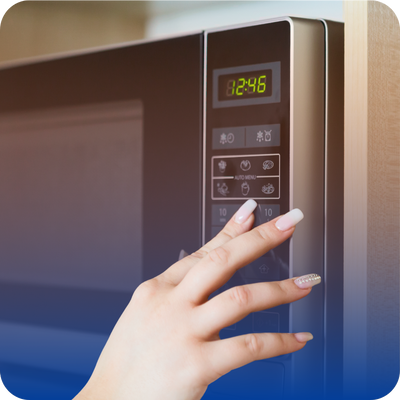
Many new appliances display digital error codes. Search the code online or check your manual. This helps speed up diagnosis during the repair visit.
3. Inspect for Visible Blockages
For example:
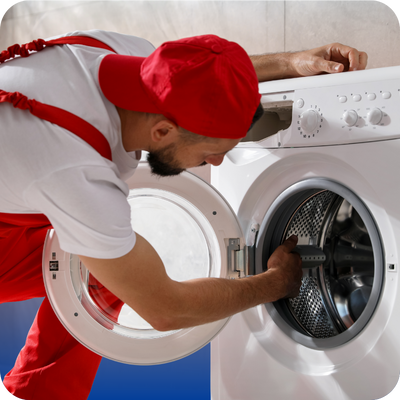
- Filters clogged in dryers
- Food stuck in garbage disposals
- Ice buildup in freezers
Clearing simple blockages may restore basic function temporarily.
4. Note Any Unusual Smells or Sounds
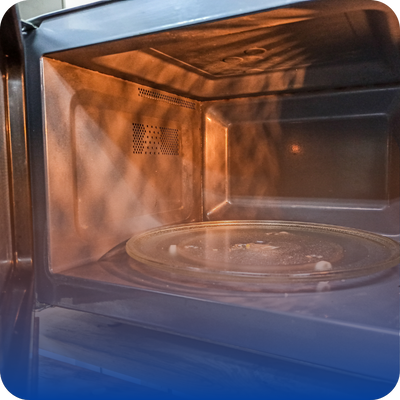
This helps technicians identify electrical or mechanical problems quickly.
5. Take Photos or Short Videos
Technicians can use these visuals to prepare the right tools before arriving. Never attempt repairs involving wiring, motors, or internal panels. Save that for a trained expert.

How Emergency Repair Technicians Operate
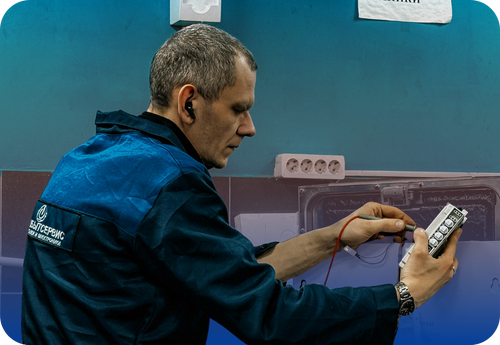
Emergency appliance repair works differently from standard repair visits. Knowing what to expect can help make the process smoother.
1. Faster Scheduling Windows
Emergency technicians prioritize:
- Cooling failures
- Leaks and flooding
- Electrical hazards
- Heat-related failures
This leads to shorter booking windows and quicker response times.
2. On-the-Spot Appliance Diagnosis
Most pros diagnose within the first 20 to 30 minutes. They will explain:
- The root cause
- Repair options
- Costs
- Safety concerns
Clear communication is essential during emergencies.
3. Common Parts Carried in the Service Vehicle
Most emergency techs carry high-demand parts, including:
- Belts
- Thermostats
- Heating elements
- Fuses
- Switches
- Pumps
If your issue involves a specialty part, they may schedule a follow-up visit.
4. Higher Rates for After-Hours or Same-Day Service
Emergency pricing reflects availability. You may pay more for:
- Same-day repair
- Night or weekend calls
- Holiday response
Before confirming, techs explain the rate structure so there are no surprises.
5. Safety First Approach
Emergency techs often start by shutting off:
- Power
- Gas supply
- Water lines
This prevents immediate risk while they work.
How to Book Emergency Technicians Fast Through a Marketplace
When your appliance fails suddenly, you do not have time to scroll through endless listings or call dozens of technicians. This is where a verified home service marketplace becomes incredibly helpful.
1. Searching for Qualified Technicians in Seconds
With Find Local Pro Appliance Repair, you can enter your location and instantly see qualified technicians nearby. No searching social media or calling random companies.
2. Marketplace Verification for Safety and Skill
A major advantage of using a marketplace is the Marketplace verification. This process checks:
- Identity and professional background
- Proof of training or licensing when required
- Insurance coverage
- Customer review history
This removes uncertainty and risk. You know the technician is trustworthy before they arrive.
3. Clear Booking Process Without Complication
In a crisis, you need fast scheduling. The booking process on Dr. Home Fixer is designed to be simple.
You can:
- Select a technician
- Choose an appointment time
- Add emergency notes
- Upload photos of the issue
This saves time during the diagnosis and repair.
4. Transparent Pricing Expectations
Marketplaces provide average pricing ranges for common emergency repairs. This helps homeowners avoid price gouging during urgent situations.
5. Faster Matching for Emergency Issues
Technicians receive alerts when emergency bookings are posted. This creates quicker response times compared to traditional phone calls.
6. Support and Guidance Throughout the Process
Our team helps guide homeowners with questions about:
- Repair urgency
- Safety steps
- When not to operate the appliance
- How to prepare for the technician’s arrival
This makes the entire experience smoother and safer.
Common Emergency Mistakes to Avoid
When appliances fail suddenly, it is easy to panic. But avoiding these common mistakes can prevent extra damage and unnecessary costs.
1. Continuing to Run the Appliance
Using a malfunctioning appliance can turn a simple repair into a major one.
2. Trying DIY Electrical or Gas Repairs
This is dangerous and can void warranties.
3. Not Turning Off Water or Power Quickly
Waiting even a few minutes during a leak can worsen structural damage.
4. Hiring the First Technician You See Without Checking Credentials
Even in emergencies, technician selection still matters. Use verified professionals.
5. Ignoring Strange Smells or Electrical Sounds
Burning, buzzing, and popping noises are early warning signs. Stop the appliance immediately.
6. Not Taking Photos Before Cleanup
Technicians can diagnose faster when they can see the original issue.
Conclusion
Appliance failures rarely happen at convenient times. But knowing what to do in the first few minutes can protect your home, prevent damage, and reduce stress. Emergency appliance repair becomes much simpler when you follow the right safety steps, perform basic troubleshooting, and use a trusted marketplace for fast support.
With Dr. Home Fixer, you can find local appliance repair pros who are fully verified, highly rated, and ready to help when you need urgent repairs. Our platform gives homeowners peace of mind with transparent booking, real reviews, and easy appliance diagnosis tools.
Quick action saves money. Verified experts protect your home. And smarter decisions start with the right guidance.
FAQs
What qualifies as an emergency appliance repair?
Any situation involving leaks, electrical hazards, fire risks, or food safety concerns should be treated as an emergency.
How fast can a technician arrive during an emergency?
Same-day or next-day service is common through marketplace platforms like Dr. Home Fixer.
How much does emergency appliance repair cost?
Emergency rates vary, but you can expect to pay more for nights, weekends, or urgent response.
Should I unplug the appliance before the technician arrives?
Yes, disconnect the appliance if it is safe to do so. For leaks or sparks, turn off the breaker.
How do I book a verified technician quickly?
Search for Local Pro Appliance Repair to match with verified professionals in your area within minutes.