Weather affects more than outdoor comfort. It also has a major impact on the performance, efficiency, and lifespan of home appliances. Changes in heat, cold, and humidity can stress electrical systems, overload motors, freeze internal parts, and create safety hazards. Understanding how seasonal conditions affect your appliances helps you prevent breakdowns and know when to call a technician.
This guide explains the most common seasonal appliance issues, how weather impacts different systems, and what homeowners can do through preventive maintenance, early troubleshooting, and smart repair choices. If problems arise suddenly, you can find local appliance repair pros with help from Dr. Home Fixer, where trusted professionals are available for immediate service.
How Seasonal Conditions Affect Appliance Performance
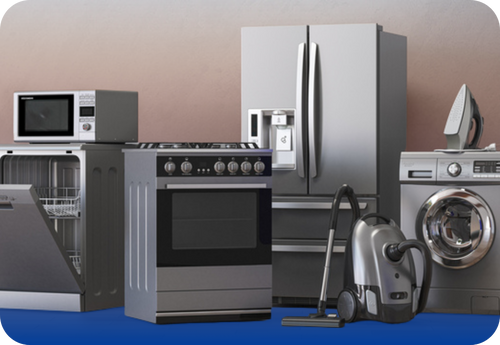
Every appliance in your home is designed to operate within a certain temperature and humidity range. When weather conditions shift outside that range, performance dips or damage can occur. These issues build slowly or happen suddenly, depending on the season.
Here are the three main seasonal conditions that affect home appliances.
1. Heat and High Temperatures
The sweltering summer heat places significant stress on nearly all major appliances, particularly those designed for cooling. When temperatures soar, motors are pushed to work overtime, leading to decreased efficiency and a heightened risk of overheating.
Appliances most affected by heat include:
- Refrigerators and freezers
- Air conditioners
- Ice makers
- Ovens
- Washing machines
- Dryers
The hotter the environment, the harder these systems must work to maintain normal function.
2. Cold Weather and Freezing Conditions
Cold weather can be quite harsh on appliances that rely on water. Any device that involves water usage, pumps, or drainage systems has the potential to freeze or become rigid when faced with the frigid temperatures of winter.
Appliances most affected by cold include:
- Washing machines
- Dishwashers
- Refrigerators in unheated garages
- Water heaters
- Ice makers
Cold temperatures slow down internal processes, crack water lines, and reduce heating efficiency.
3. High Humidity and Moisture Levels
Humidity can cause both mechanical and electrical issues. It creates moisture buildup, rust, mold, and sensor failure.
Appliances affected most by humidity include:
- Dryers
- Refrigerators
- Freezers
- HVAC systems
- Dishwashers
- Microwaves
Excess moisture in the air has the potential to harm control boards and significantly reduce the lifespan of delicate electronic devices.
By gaining insight into the ways different seasons influence your appliances, you can utilize more effective diagnostic guides, avert significant failures, and proactively manage potential emergency repair costs.
Common Seasonal Problems by Appliance Type
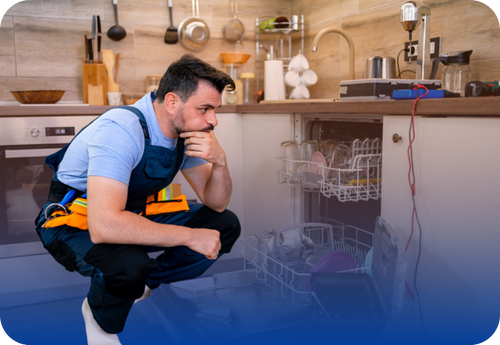
Each appliance reacts differently to changes in weather. Here is a detailed look at what homeowners should expect during summer heat, winter cold, and high humidity periods.
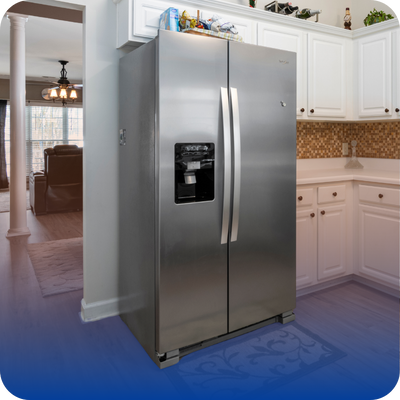
Refrigerator and Freezer Issues
Heat Impact
- Struggles to stay cold during hot weather
- The compressor runs constantly
- Ice buildup from humidity
- Food spoils faster
Refrigerators work harder in hot months because they must remove more heat from inside the appliance.
Cold Impact
- Freezers in garages may stop working if the room temperature drops too low
- Incorrect temperature readings
- Frozen coils
Many refrigerators are designed for heated areas only.
Humidity Impact
- Water is pooling under the refrigerator
- Condensation forming inside
- Mold growth around door seals
Older models struggle the most during high humidity.
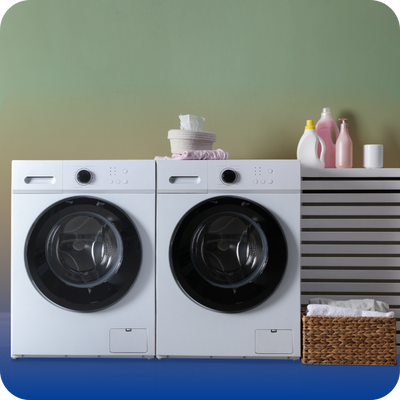
Washer and Dryer Issues
Heat Impact
- Overheating dryer motors
- Higher fire risk due to lint drying out
- The washer overheats during long cycles
Washers and dryers run more during the summer because people change clothes more often.
Cold Impact
- Frozen hoses
- Water left inside the washer may freeze and crack the drain pump
- Dryer vents clogged by ice
Unheated laundry rooms are especially vulnerable.
Humidity Impact
- Mold and odor inside the washer drums
- Extended drying times
- Rust around dryer components
Moisture buildup is the number one cause of mold inside washers.
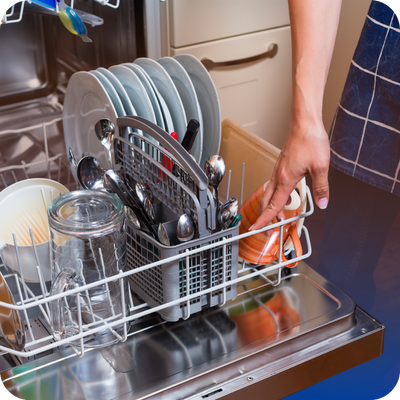
Dishwasher Issues
Heat Impact
- Dishwasher pumps overheat
- Plastic parts warp
Cold Impact
- Frozen water lines
- Failure to drain
- Cracked internal hoses
Humidity Impact
- Mold growth on door gaskets
- Fogged control boards
- Sensors malfunction due to moisture
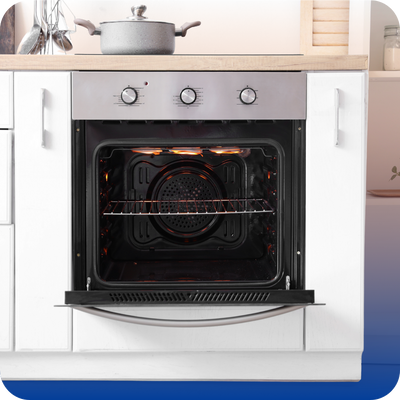
Oven and Stove Issues
Heat Impact
- Overheating electrical boards in older ovens
- Gas stove ignition becomes unreliable
Cold Impact
- Gas pressure drops in winter, causing slow ignition
- Electric stoves take longer to heat up in cold kitchens
Humidity Impact
- Electronics inside the oven can short out
- Moisture weakens metal parts
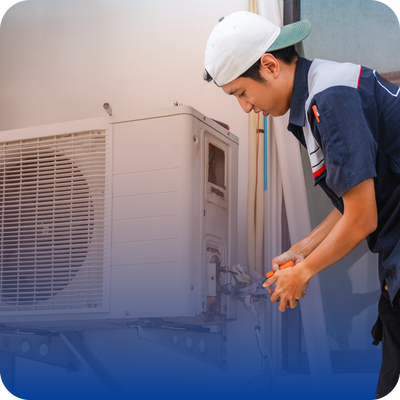
HVAC and Air Conditioner Issues
Heat Impact
- Overloaded AC systems
- Frozen coils from overheating
- Higher energy usage
Cold Impact
- Heat pumps struggle with freezing temps
- HVAC sensors may fail
Humidity Impact
- Mold in air ducts
- Clogged condensate lines
If serious HVAC issues arise, visit our electrical service page to understand how electrical components affect appliance performance.
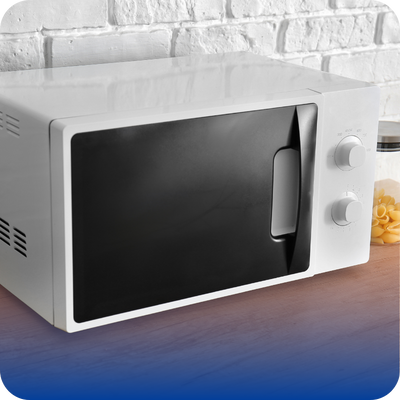
Microwave and Small Appliance Issues
Heat Impact
- Overheating power boards
- Shortened lifespan
Cold Impact
- Condensation buildup occurs when moving from cold to warm spaces
- Door sensors fail
Humidity Impact
- Rust inside the microwave cavity
- Touchpad malfunctions
Home Window Installation Cost Breakdown
Seasonal preparation is the best form of preventive maintenance. These simple steps can save hundreds of dollars and extend appliance life.
1. Keep Appliances Clean and Unclogged
Dust, lint, dirt, and debris can cause overheating or blocked airflow. Clean:
- Dryer vents every season
- Refrigerator coils twice a year
- Dishwasher filters monthly
- HVAC filters regularly
Excellent airflow prevents overheating during hot months.
2. Check Seals and Gaskets
Loose or cracked gaskets cause appliances to lose efficiency. Replace seals on:
- Refrigerators
- Freezers
- Ovens
- Dishwashers
This reduces strain on motors and lowers energy costs.
3. Protect Appliances From Temperature Fluctuations
- Keep refrigerators out of unheated garages
- Add insulation around laundry pipes
- Keep small appliances in dry areas
Seasonal temperature swings can damage water lines and electronics.
4. Use Dehumidifiers During Humid Months
Humidity causes mold and electrical issues. A dehumidifier protects:
- Laundry rooms
- Kitchens
- Basements
This reduces moisture that affects appliances the most.
5. Inspect for Warning Signs Early
Listen and look for:
- Strange noises
- Burning smells
- Water leaks
- Overheating surfaces
These indicators alert you to the potential need for immediate repairs. You can review our full guide on Signs an Appliance Needs Repair to learn what to watch for.
When Seasonal Problems Become Repair Emergencies
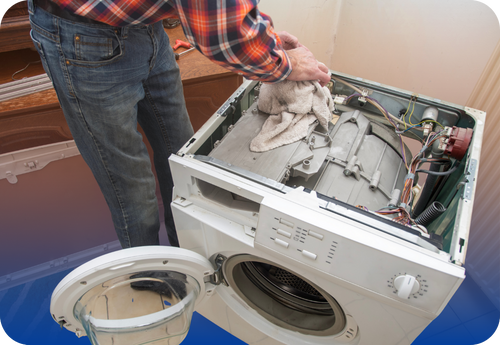
Some seasonal issues cannot wait. If you encounter any of these issues, please contact emergency repair services without delay.
1. Overheating Appliances
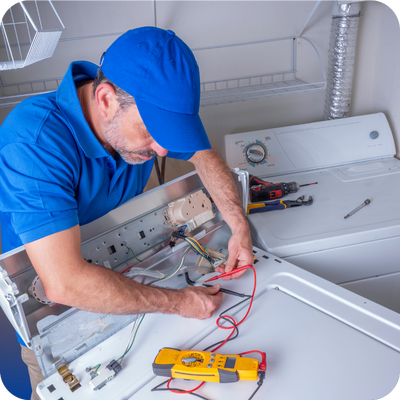
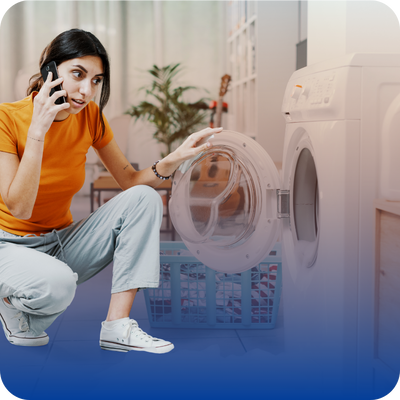
If an appliance becomes unusually hot, shuts down suddenly, or produces a burning smell, disconnect it right away.
2. Water Leaks or Frozen Lines
Water inside appliances can cause electrical shock or mold. Frozen lines can burst and lead to expensive kitchen or laundry room repairs.
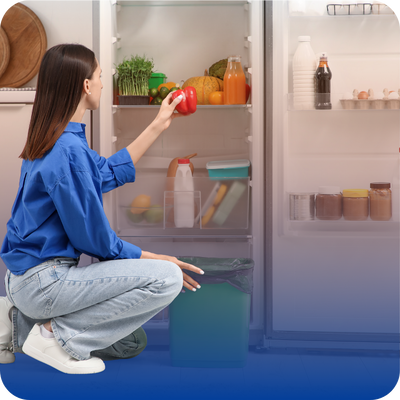
3. Refrigerator Losing Cooling
Food spoils fast, and a failing fridge can be costly. Sudden cooling loss needs immediate attention.
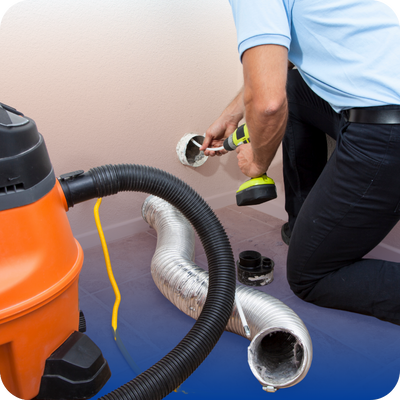
4. Dryer Not Venting Properly
Blocked vents can cause house fires, especially during the summer heat.
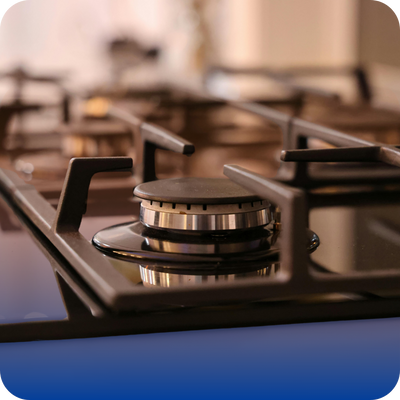
5. Gas Appliances With Ignition Problems
Gas ovens or stoves that fail to ignite properly can create safety risks.
Climate Factors Homeowners Commonly Overlook
Many appliance problems begin with small climate-related issues that homeowners do not notice. Here are the most overlooked factors.
1. Garage Temperature Extremes
Appliances placed in garages face huge temperature swings. Most refrigerators fail early in these environments.
2. Poor Ventilation in Laundry Rooms
Humidity from dryers often has nowhere to escape, causing mold and overheating.
3. Basement Moisture Levels
Moisture affects electronics and metal components in appliances stored in basements.
4. Sun Exposure on Outdoor Units
AC compressors suffer damage when placed in areas with constant sun exposure.
5. Overworking During Peak Seasons
Running appliances nonstop during heatwaves or winter storms increases failure rates. Monitoring climate conditions helps keep appliances stable and reduces repair frequency.
Conclusion
Seasonal changes place more stress on appliances than most homeowners realize. Heat, cold, and humidity can quietly damage motors, sensors, seals, and electrical systems. But with excellent preventive maintenance, early diagnosis, and timely repair support, your appliances can last years longer.
If you ever face sudden failures or want help preparing your appliances for seasonal changes, Dr. Home Fixer is here to guide you. Our platform makes it easy to find local appliance repair professionals, understand your options, compare estimates, and get support quickly.
Intelligent care today leads to fewer emergencies in the future. Allow us to help you maintain a smoothly functioning home throughout every season.
FAQs
Can the weather really damage home appliances?
Absolutely. High heat, excessive humidity, and cold temperatures exert stress on internal components, significantly raising the likelihood of malfunction.
How can I prevent heat-related appliance issues?
It’s essential to maintain clean appliances, enhance airflow, and refrain from overloading them during the warmer months to ensure optimal performance.
What should I do if my appliance stops working suddenly?
Please disconnect it, thoroughly inspect for any visible problems, and arrange for an emergency repair using a trusted marketplace.
Which appliances are most susceptible to the effects of humidity?
Refrigerators, dryers, dishwashers, and HVAC units are particularly vulnerable to the accumulation of moisture.
Where can I locate a verified technician for seasonal repairs?
Utilize Dr. Home Fixer to connect with nearby appliance repair professionals who come highly recommended, complete with marketplace verification and reliable reviews.