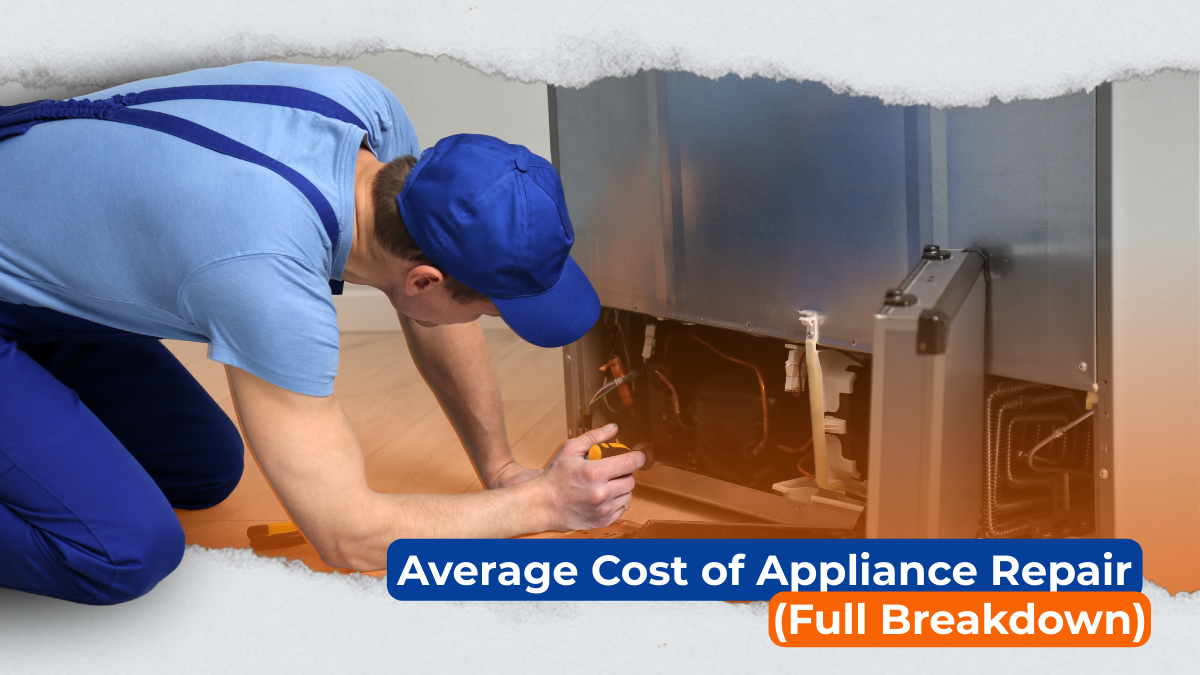
When an appliance stops working, most homeowners want one answer first. What will the repair cost? In the United States, the average price for appliance repair can differ significantly depending on the type of appliance, the parts needed, labor costs, and how urgently you require the service. Knowing these ranges can assist you in preparing, preventing unexpected expenses, and determining if repairing or replacing the appliance is the better option.
This guide explains what really affects repair pricing, breaks down common cost ranges, and gives you practical tools to make confident decisions. At Dr. Home Fixer, we want homeowners to feel informed and supported when dealing with unexpected breakdowns. Whether you are researching prices, comparing quotes, or trying to understand the signs an appliance needs repair, this guide walks you through the full picture.
And if you ever need immediate help, you can always Find Local Appliance Repair Pros through our marketplace for transparent, trustworthy service.
What Affects Appliance Repair Costs
Many different factors influence the average cost of appliance repair, which is why prices can range from 100 dollars to several thousand. Knowing what drives those numbers helps you understand technician quotes and avoid overpaying.
1. Appliance Type and Complexity
Some appliances have simple moving parts, while others rely on advanced sensors, motors, and electronics. For example:
- A dryer belt replacement costs far less than a refrigerator compressor repair
- Dishwashers often require pump repairs
- Ovens may need heating elements or igniter replacements
Complex appliances with sealed systems or digital control boards tend to cost more to fix.
2. Labor Rates in Your Area
Location plays a major role in repair costs. Urban areas with higher labor rates often charge more per service call. Technicians in coastal states and large cities may have higher pricing than technicians in smaller towns or rural regions.
Labor typically accounts for 50 to 70 percent of the total repair cost.
3. Price of Replacement Parts
Some parts are low-cost, such as hoses and switches. Others, like compressors, control boards, or motors, can raise the final bill significantly. Brand also matters. Premium appliance brands often use specialty parts that cost more to replace.
4. Age of the Appliance
Older appliances may require parts that are either unavailable or hard to locate, which can increase costs. Occasionally, the technician needs to source parts from a specialty supplier, resulting in additional time and expenses.
5. Severity of the Problem
What looks like a major issue may be a simple fix. For example:
- A fridge not cooling might only need a new fan motor
- A washer not draining could have a clogged pump
- A dryer with no heat may only need a fuse or thermostat
But severe issues like sealed system failures or electrical shorts cost more to diagnose and repair.
6. Service Call Fees and Diagnostic Charges
Most technicians have a service call fee that includes travel and diagnostic costs, usually between $75 and $150, depending on local pricing. If you decide to go ahead with the repair, many technicians will deduct that fee from the total bill.
7. Timing and Availability
If you need same-day or after-hours service, expect higher pricing. Emergency repair costs are explained later in this guide.
Appliance-Specific Repair Cost Estimates
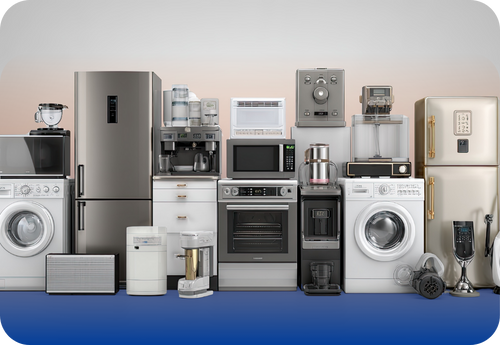
To give you a clear picture, here are the typical cost ranges for each major household appliance. These amounts represent national averages and can vary by brand, model, and region.
How Much Does It Cost to Repair Different Window Types?
Refrigerator Repair Costs
Refrigerators are among the most expensive appliances to repair because of their sealed cooling systems.
Typical price ranges:
- Thermostat replacement: 100 to 300 dollars
- Fan motor repair: 150 to 350 dollars
- Defrost system repair: 150 to 400 dollars
- Ice maker repair: 100 to 300 dollars
- Compressor replacement: 700 to 1200 dollars
Because compressors are so expensive, this is often where homeowners consider replacement.

Washer Repair Costs
Washers have many moving parts and sensors, but most washer repairs fall in the low to mid range.
Typical costs:
- Drain pump replacement: 150 to 350 dollars
- Belt replacement: 150 to 300 dollars
- Door lock repair: 120 to 250 dollars
- Control board replacement: 250 to 450 dollars
Repairs for older front-loaders tend to cost more.

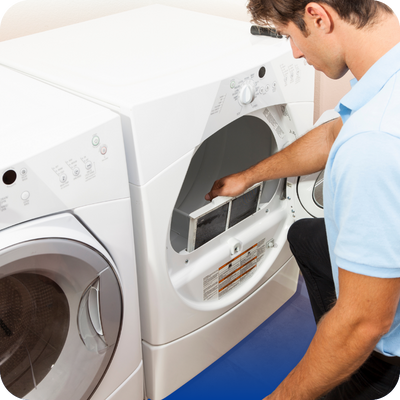
Dryer Repair Costs
Dryers are usually affordable to repair unless the issue involves the motor.
Typical costs:
- Heating element replacement: 150 to 300 dollars
- Drum belt replacement: 100 to 250 dollars
- Thermal fuse repair: 100 to 200 dollars
- Motor replacement: 250 to 500 dollars
Dryer repairs are often completed in one visit.
Dishwasher Repair Costs
Dishwashers commonly need work on pumps and sensors.
Typical costs:
- Drain pump replacement: 150 to 300 dollars
- Heating element repair: 150 to 350 dollars
- Door seal or latch replacement: 80 to 180 dollars
- Control board replacement: 250 to 400 dollars
Dishwasher repairs are often cheaper than replacing the unit.

Oven or Stove Repair Costs
Oven repairs usually involve heating elements or ignition issues.
Typical costs:
- Bake or broil element: 100 to 300 dollars
- Igniter replacement: 150 to 300 dollars
- Control board: 200 to 500 dollars
- Gas valve replacement: 200 to 350 dollars
Gas models often cost more due to safety considerations.

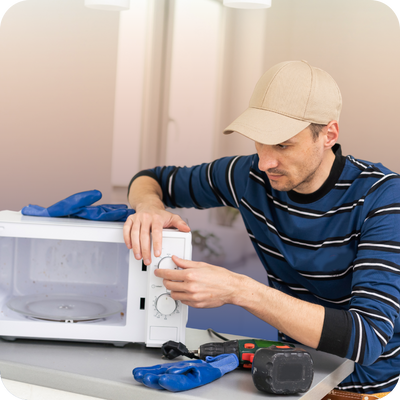
Microwave Repair Costs
Microwave repairs are less common because replacement is usually cheaper.
Typical costs:
- Door switch repair: 80 to 150 dollars
- Control panel issues: 150 to 300 dollars
- Magnetron replacement: 250 to 450 dollars
If the cost approaches the price of a new microwave, replacement makes more sense.
Repair vs Replacement Cost Comparison
A major part of understanding the average cost of appliance repair is knowing when to repair and when to replace. Here is a helpful comparison.
When Repair Makes More Sense
Repair is usually the better choice when:
- The appliance is less than 8 years old
- The repair cost is under 50 percent of the replacement cost
- The problem is related to a single part, like a belt, pump, fuse, or sensor
- The appliance is a high-end brand that is expensive to replace
If your appliance still works well overall and the technician gives a reasonable quote, repair is usually the smarter and more affordable option.
When Replacement Makes More Sense
Replacement is better when:
- The appliance is near the end of its lifespan
- Repairs become frequent
- Parts are no longer available
- The repair cost is close to the price of a new model
If you want guidance, you can always check our article on signs an appliance needs repair or speak with pros directly.
And if you decide replacement is the best option, tools like Get Funding on the Dr. Home Fixer platform can help you explore financing options for new appliances or upgraded systems.
Emergency Repair Pricing Explained
Sometimes repairs cannot wait. A fridge that stops cooling or a washing machine leaking water may require same-day service. Emergency repairs often include higher labor rates because technicians adjust their schedules to respond immediately.
You can expect the following:
- After-hours service fees are between 150 and 300 dollars
- Weekend or holiday rates that are 1.5 to 2 times normal pricing
- Faster diagnostic and service turnaround
Emergency repair costs may be higher, but early intervention can prevent larger damage, especially with refrigerators, dishwashers, or water-related issues.
If you need help quickly, our platform allows you to find local pro appliance repair who offers emergency services.
How Marketplaces Ensure Transparent Pricing
One of the hardest parts of appliance repair is comparing prices. Not every technician uses clear or consistent pricing. This is where a verified marketplace helps you save time and avoid stress.
1. Clear Upfront Estimates
Marketplaces like Dr. Home Fixer list typical pricing ranges so you know what to expect. You can compare estimates side by side without feeling pressured.

2. Verified Technicians
Our platform only accepts technicians who pass:
- Skill and experience checks
- Background and business verification
- Proof of licensing or insurance when required
This gives homeowners more confidence during the hiring process.

3. Reviews You Can Trust
You do not need to dig through unrelated comments. Reviews focus on punctuality, clarity, professionalism, and repair quality.

4. Easy Marketplace Booking
The ability to schedule appointments quickly helps homeowners get service without long delays. Simple and transparent marketplace booking prevents miscommunication.

5. No Surprise Fees
Because verified technicians follow marketplace guidelines, they offer honest pricing without hidden charges.

Common Pricing Mistakes Homeowners Make
Understanding the average cost of appliance repair is easier when you avoid these common mistakes.

How Much Does It Cost to Repair Different Window Types?
Mistake 1: Not Asking What the Service Fee Includes
Some technicians include diagnosis in their service fee. Others charge separate fees. Always ask.
Mistake 2: Choosing the Cheapest Quote Without Checking Credentials
A low price does not always mean a good value. Quality matters, especially for safety-related repairs.
Mistake 3: Ignoring Early Warning Signs
Small issues often grow into expensive repairs. Refer to the signs that the appliance needs repair so you can act early.
Mistake 4: Not Checking the Age of the Appliance Before Deciding
Sometimes homeowners repair an appliance that is already near retirement. Knowing lifespan expectations helps with better decisions.
Mistake 5: Forgetting to Ask About Warranty on Parts and Labor
Good technicians offer warranties that protect your investment.
Conclusion
Understanding the average cost of appliance repair helps you make smart decisions and avoid unnecessary stress. Costs vary based on appliance type, age, complexity, and technician expertise, but most repairs are affordable when caught early.
If you need to compare pricing, diagnose a problem, or book a reliable expert, you can always find local pro appliance repair in the Dr. Home Fixer marketplace. Our team makes it easy to review estimates, schedule appointments, and choose trusted technicians with confidence.
Repair with clarity. Protect your home. And make smarter decisions with support from Dr. Home Fixer every step of the way.
FAQs
What is the average cost of appliance repair in the U.S.?
Repairs typically cost between $150 and $400, depending on the type of appliance and how severe the issue is.
Should I repair or replace my appliance?
If the repair cost is less than half the price of a new appliance, it is usually better. Older appliances may be worth replacing.
How can I find a trustworthy repair technician?
Consider using a reputable platform like Dr. Home Fixer, which connects you with local pro appliance repairers who have favorable reviews and transparent pricing.
Why do emergency repairs cost more?
Technicians charge more for after-hours, weekend, or urgent service because they adjust their schedules to respond immediately.
What signs show an appliance needs repair?
Common signs include strange noises, leaks, long cycles, bad smells, or poor performance.