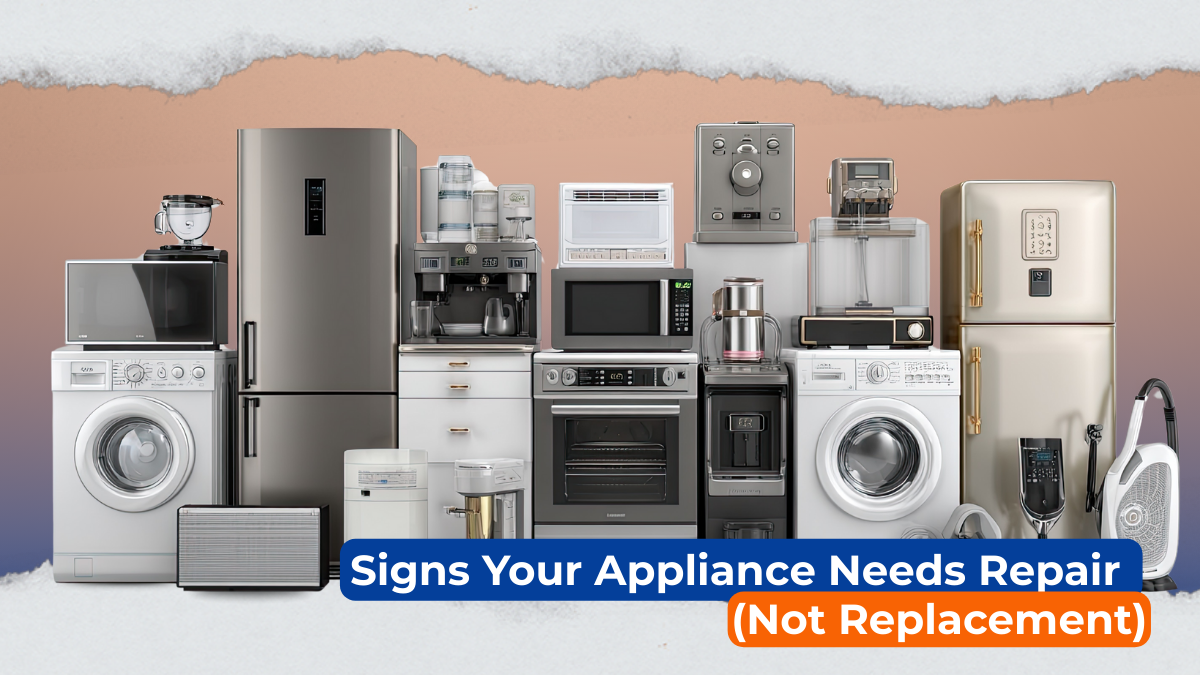
When a refrigerator stops cooling, a dryer stops heating, or a dishwasher starts leaking, most homeowners wonder the same thing. Should I repair it or replace it? Understanding the signs your appliance needs repair can save you time, money, and stress. A trained technician can quickly fix many issues that initially appear serious. Other issues indicate more serious problems that may necessitate replacement.
This guide helps you spot early symptoms, understand what is often repairable, and know when to call a professional. At Dr. Home Fixer, we want to make these decisions simpler for families across the United States. Whether you are trying to troubleshoot a noise or compare the repair cost of a broken appliance, this article gives you the clarity you need. And if you need help fast, you can always find a local pro appliance repair through our platform.
General Warning Signs Your Appliance Needs Repair
Most appliances show signs before they completely fail. Recognizing these early warnings can save you from more expensive problems later.
1. Strange Noises or New Sounds
Appliances should sound familiar. A refrigerator hums, a dishwasher swooshes, and a dryer spins. If new sounds appear, such as grinding, knocking, rattling, or buzzing, it often means a part is loose or worn out. These problems are usually repaired and do not require full replacement.
2. Sudden Drops in Performance
If your appliance still turns on but isn’t working as well, it needs attention. Examples include:
- A fridge that is cool but not cold
- A washer that does not spin fully
- A dryer that takes longer to dry clothes
- A dishwasher that leaves dishes wet
Performance decline is often caused by minor issues like clogged vents, failing sensors, or worn belts.

3. Higher Utility Bills
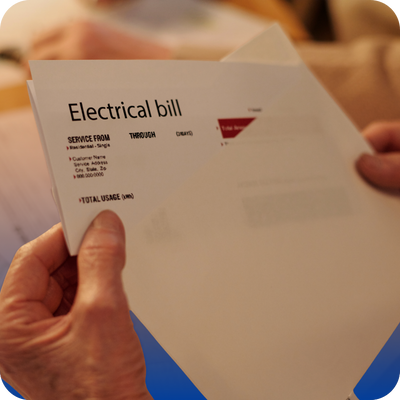
When an appliance works harder than it should, it uses more electricity or water. A sudden increase in your energy bill can signal a problem with your fridge, dryer, or HVAC system. Repairs can often restore efficiency and bring your bill back down.
4. Bad Smells or Burning Odors
Strange smells should always be taken seriously. Burning smells, moldy odors, and chemical scents can originate from the following sources:
- Overheating motors
- Electrical issues
- Clogged filters
- Mold buildup
A professional should inspect the appliance as soon as possible to avoid a larger safety risk.

5. Water Leaks or Moisture Build Up
Dishwashers, washing machines, and refrigerators can all develop leaks over time. Leaks may look small, but they can lead to expensive water damage. In most cases, the problem comes from worn hoses, loose connections, or clogged drains, which are simple repairs.

6. Inconsistent Power or Random Shutdowns
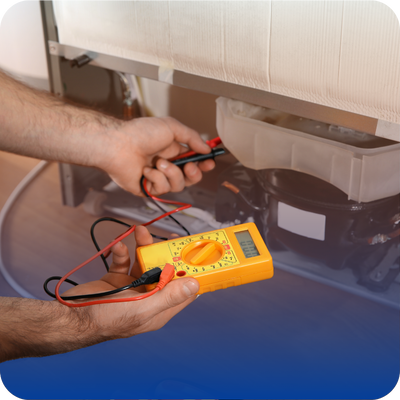
If your appliance turns off mid-cycle or will not start on the first try, it may have an electrical or control board issue. These problems can usually be repaired without replacing the entire appliance.
7. Buttons, Controls, or Displays Not Responding
Touchpads and control panels can wear out with age, but many are affordable to replace. If your controls stop responding, it is still worth calling a technician before choosing a replacement.

Appliance-Specific Symptoms
Every appliance shows unique signs when it needs repair. Understanding these can help you diagnose issues faster and avoid unnecessary spending.
Refrigerator Warning Signs
A refrigerator is one of the most important appliances in your home, so problems need quick attention.
Signs your refrigerator needs repair include:
- Food spoils faster than usual
- Visible frost buildup in the freezer
- Warm spots or uneven cooling
- A loud or constant running noise
- Water pooling under or behind the fridge
- Ice maker not producing ice correctly
Most of these issues relate to fans, coils, compressors, or clogged drain tubes, which are repairable.
Before making any big decisions, compare the expected repair cost with the age of your fridge. A simple part replacement often solves the issue.
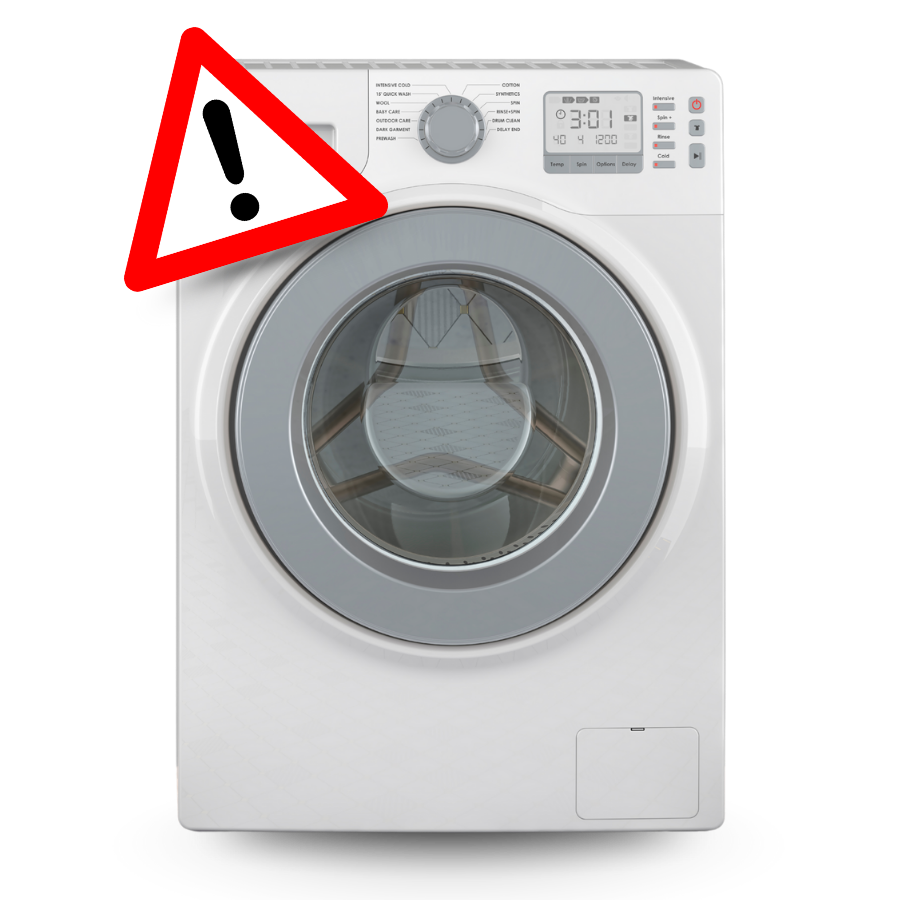
Washer Warning Signs
Washers go through heavy daily use, so symptoms appear over time.
Look for:
- Loud banging during the spin cycle
- Water left in the drum after a wash
- The washer is not filling or draining correctly
- A burning smell from worn belts
- Error codes on the display
Many washer issues involve hoses, belts, pumps, or sensors. These parts are much cheaper to replace than buying a new unit.
Dryer Warning Signs
Dryer performance drops slowly, so homeowners often miss early signs.
Call for repair if:
- Clothes take much longer to dry
- The dryer overheats or feels unusually hot
- There is a burning smell
- The drum does not spin
- Lint builds up inside the dryer
Often, a clogged vent, worn belt, or heating element failure is the cause. These repairs are usually affordable.
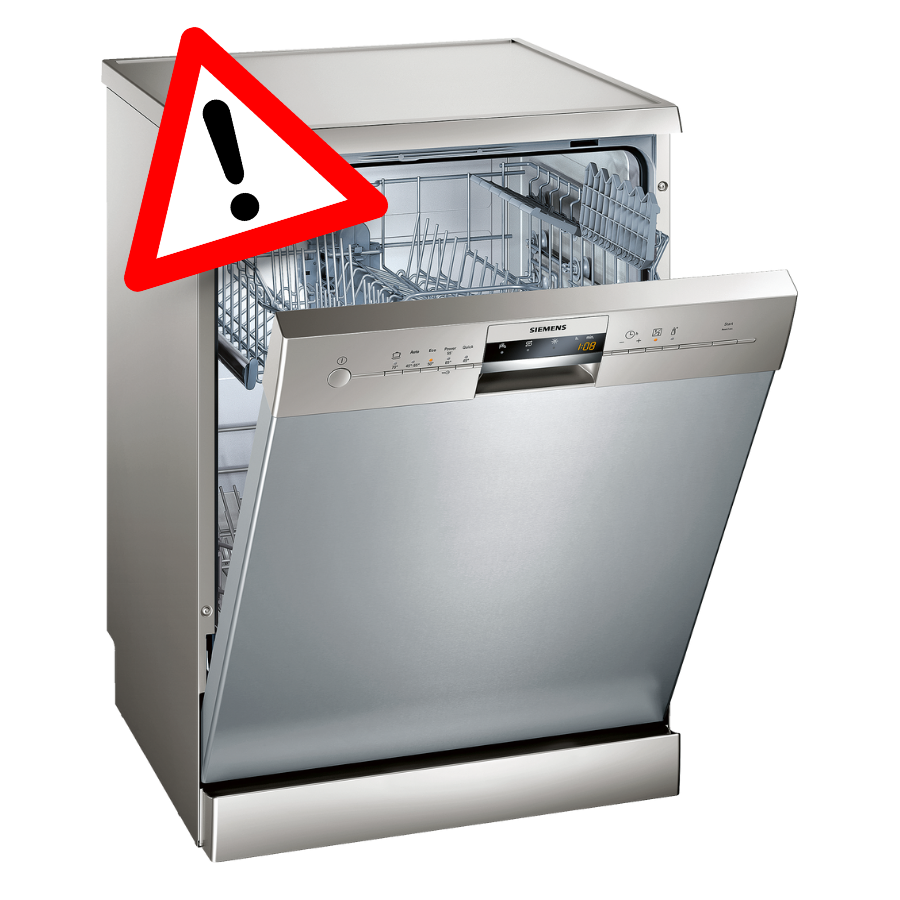
Dishwasher Warning Signs
Modern dishwashers rely on sensors, pumps, and heating elements.
Symptoms that suggest repair:
- Dishes come out dirty or foggy
- Water pools at the bottom of the dishwasher
- Strange grinding or humming sounds
- The dishwasher stops mid-cycle
- A rubber or chemical smell
Dishwasher repairs tend to be simple, especially when the issue involves clogged filters or pump problems.
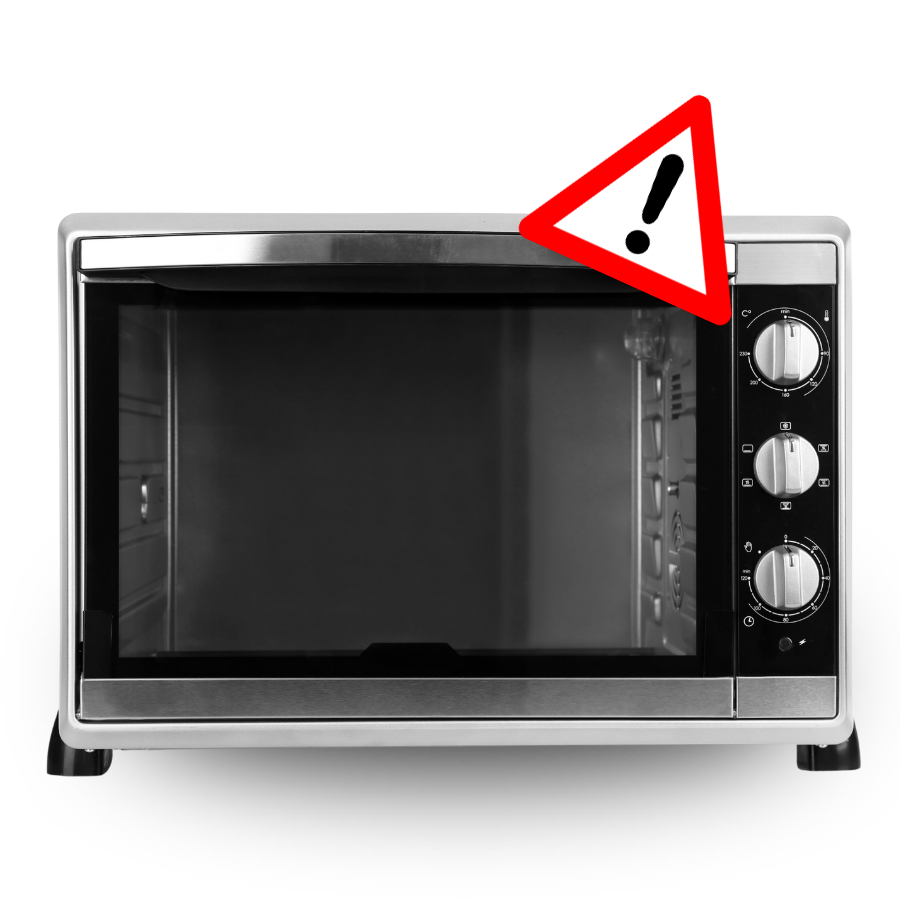
Oven or Range Warning Signs
A malfunctioning oven can become a safety risk.
Call for service if you notice:
- Incorrect temperatures
- Gas smells
- Burners not lighting
- The oven is taking too long to heat up
- Uneven cooking
Most oven issues involve thermostats, igniters, or heating elements that can be replaced.
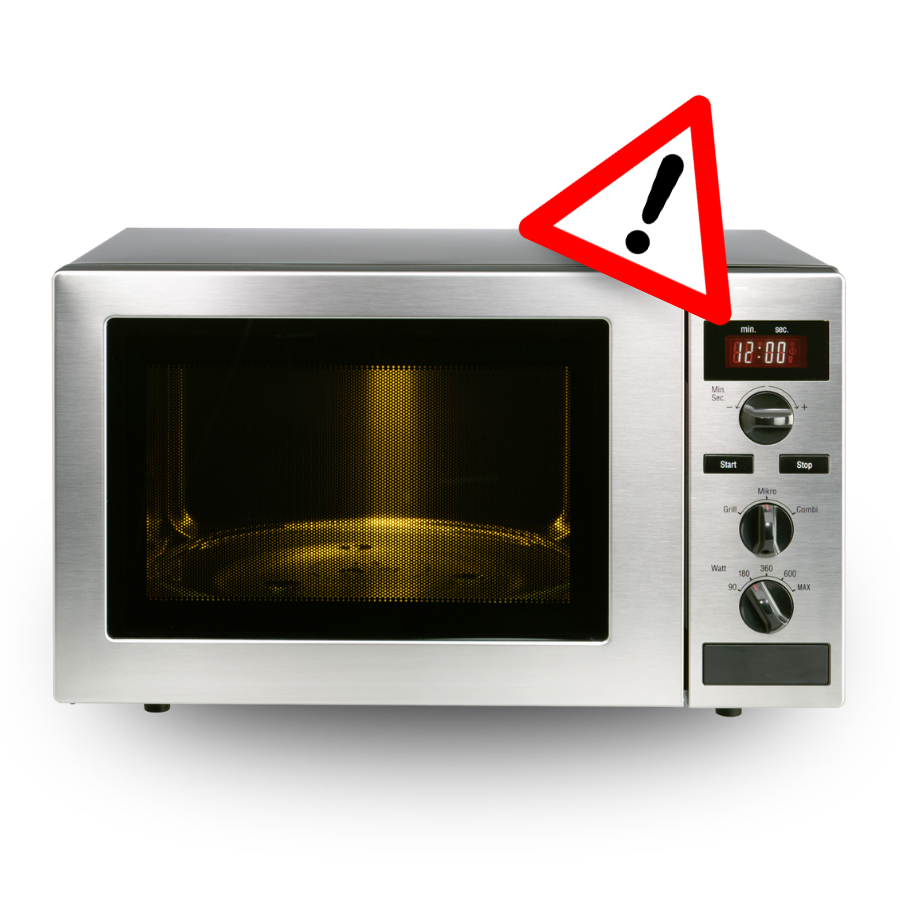
Microwave Warning Signs
Microwave repairs are less common, but some issues are worth fixing.
Repairable symptoms include:
- Sparks inside the microwave
- Buttons not working
- The turntable is not spinning
- Uneven heating
- Loud humming
If the body or door is damaged, replacement is usually required. But many control panel or motor issues are repairable.
When Repairs Are Cheaper Than Replacement
Most homeowners want to keep their appliances running as long as possible. Often, repair is the smarter choice. Here are the situations where repair makes the most financial sense.
1. The Appliance Is Less Than 8 Years Old
Most appliances last 10 to 15 years. If yours is still in the middle of its lifespan, repair is usually worth it.
2. The Repair Cost Is Less Than Half the Price of a New Appliance
This rule helps homeowners decide quickly. If repairing your dishwasher costs 150 dollars and replacing it costs 800 dollars, repairing it is the better choice.
3. The Problem Is Small and Easy to Fix
Minor issues like
- Broken belts
- Faulty sensors
- Clogged hoses
- Loose wiring
They are low-cost repairs and can extend your appliance’s life by years.
4. The Appliance Is a Premium Brand
High-end appliances cost more upfront but often have repairable parts that last longer. It is usually cheaper to repair these models.
5. You Are Satisfied With Its Performance
If you like your current appliance and it fits your home, repair is often more convenient and less disruptive.
When Replacement Is the Better Option
Some issues signal that repair is not worth the cost.
1. The Appliance Is Near the End of Its Lifespan
Typical lifespans:
- Refrigerators: 10 to 15 years
- Washers and dryers: 10 to 12 years
- Dishwashers: 7 to 10 years
- Ovens: 12 to 20 years
Once your appliance passes this range, repairs add up quickly.
2. The Repair Cost Is More Than 50 Percent of a New Appliance
When a major part fails, such as a compressor or control board, the repair may be too costly.
3. Replacement Parts Are No Longer Available
Older appliance models sometimes use discontinued parts.
4. The Appliance Fails Repeatedly
If you are calling a technician every few months, it is time for an upgrade.
5. You Want Energy Savings
Newer models often use less electricity and water, which lowers your utility bills.
If you choose to replace your appliance, tools like Get Funding can help you explore financing options for the upgrade.
How Professionals Diagnose the Issue
Understanding how professionals diagnose appliances can help you feel more confident when selecting a technician.
1. A Visual and Functional Inspection
The technician checks for obvious signs such as:
- Leaks
- Loose wires
- Error codes
- Blocked vents
2. Testing Internal Components
They use meters and diagnostic tools to test:
- Motors
- Heating elements
- Control boards
- Sensors
3. Checking Manufacturer Error Codes
Newer appliances display codes that point to specific problems.
4. Determining Whether the Problem Is Electrical or Mechanical
If the issue relates to wiring or circuits, you may also need to visit our Electrical Services page for related advice.
5. Providing a Clear Estimate
A good technician will explain the cause, the repair cost, and whether repair or replacement makes more sense.
If you want to make scheduling easier, you can find local appliance repair pros through Dr. Home Fixer and compare verified technicians.
How Delaying Repairs Causes More Damage
Many homeowners ignore appliance issues until they become emergencies, but delaying repairs can cause much bigger problems.
1. Higher Energy Use
A failing motor or clogged vent forces the appliance to work harder.
2. Water Damage
Leaks from dishwashers, washers, or fridges can lead to:
- Mold
- Rot
- Warped floors
3. Fire Risk
Electrical issues may spark if not addressed quickly.
4. Total System Breakdown
A small worn part can damage more expensive components.
5. Higher Future Repair Costs
Repairs are always cheaper when caught early.
This is why prompt technician selection is important. A quick repair often prevents costly replacements later.
Conclusion
Knowing the early signs your appliance needs repair helps you protect your home, save money, and avoid unnecessary replacements. Early detection makes many issues simple and affordable to fix. The key is to act quickly and choose a qualified technician.
At Dr. Home Fixer, we simplify the process by assisting you in locating verified, trusted, and experienced local appliance repair professionals. Our platform guides you through every step, whether you want to compare repair costs, choose the right technician, or better understand the issue.
Repair smarter. Save more. And keep your home running smoothly with the right help at the right time.
FAQs
How do I know if my appliance needs repair instead of replacement?
If the appliance is younger than eight years and the repair cost is less than half of a new one, repair is usually the best choice.
Who should I call for a fast diagnosis?
You can find local pro appliance repair through Dr. Home Fixer to compare technicians and book a visit.
What signs show a refrigerator needs repair?
Warm spots, spoiled food, unusual noises, or frost buildup are common repairable issues.
When should I replace my appliance instead of repairing it?
If it is near the end of its lifespan or the repair cost is too high, replacement may be smarter.
How do technicians figure out the problem?
They inspect the appliance, test components, and check error codes to provide an accurate diagnosis.