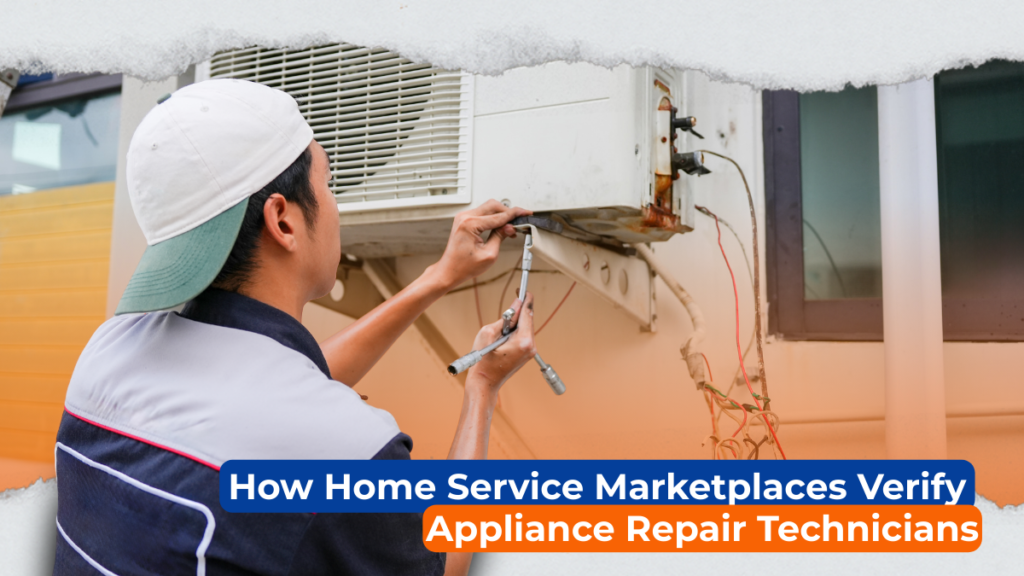

When an appliance stops working, life at home can change quickly. Maybe your refrigerator is not cooling, your dishwasher is leaking, or your dryer is making a strange noise that you have never heard before. The same question crosses the minds of many homeowners during these times: Should I call an appliance technician or attempt to fix it myself?
We have designed this comprehensive guide for homeowners to help them comprehend the process, make informed decisions, and steer clear of unnecessary stress. Whether you need help today or you simply want to be prepared for the future, this guide will walk you through the essentials of appliance repair, troubleshooting, costs, technician involvement, and how to find local appliance repair pros confidently.
At Dr. Home Fixer, our goal is to give homeowners reliable information and connect them with trusted professionals. Appliance repair can feel confusing, but with the right knowledge, you can make decisions that save money and protect your home.
What Appliance Repair Includes
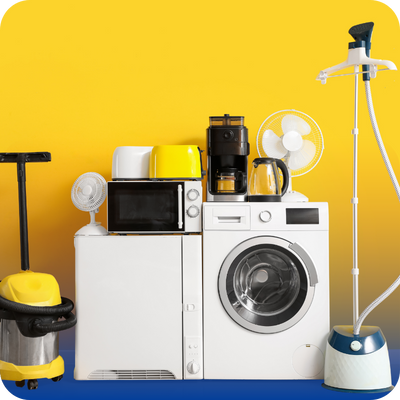
Appliance repair covers a wide range of home systems. These include kitchen appliances, laundry appliances, small appliances, and more. A professional technician can diagnose electrical problems, mechanical failures, sensor malfunctions, clogged lines, worn parts, and broken components.
Common appliances that require repair include:
- Refrigerators and freezers
- Washers and dryers
- Dishwashers
- Ovens, stoves, and cooktops
- Microwaves
- Garbage disposals
- Water heaters
- Ice makers
- Range hoods
If a device heats, cools, spins, drains, or uses electrical components, a repair technician can likely help.
Professional appliance repair usually includes:
- A detailed inspection
- Diagnosis using tools and testing
- Replacement of faulty parts
- Repair of wiring or mechanical issues
- Safety checks
- Final testing to confirm proper operation
Many repairs are simple and affordable if diagnosed early. Knowing what to expect helps you stay calm and take action quickly.
Common Reasons Appliances Break Down
Most appliance failures come from the same few causes. Understanding these reasons can help you prevent damage and save money on repairs.
1. Normal Wear and Tear
Appliances are used daily. Motors weaken, belts stretch, seals wear out, and heating elements break down over time.
2. Electrical Problems
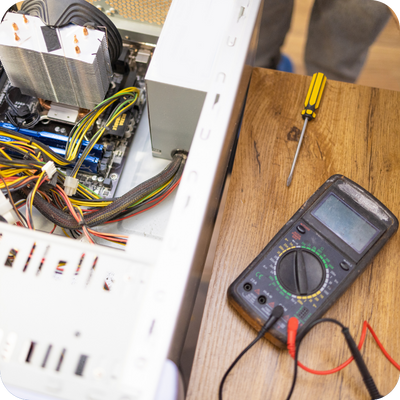
Many homeowners call for service when an appliance stops working because of wiring issues, tripped breakers, or damaged control boards. These issues often require a licensed technician. For help on electrical systems, visit our Electrical Services page.
3. Blocked Filters or Vents
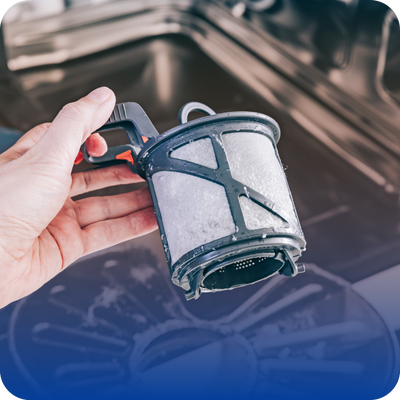
Clogged lint screens, air vents, grease filters, and fridge coils are common reasons appliances overheat or stop performing well.
4. Improper Installation
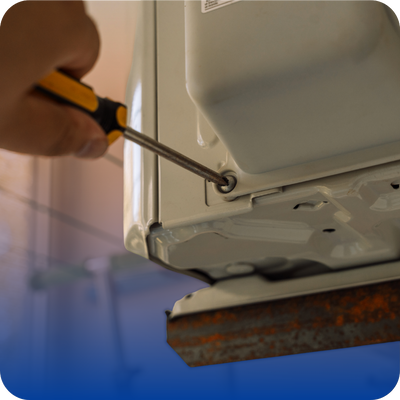
Incorrect leveling, poor ventilation, or misaligned hoses can cause leaks, shaking, or early failure.
5. Overloading and Misuse
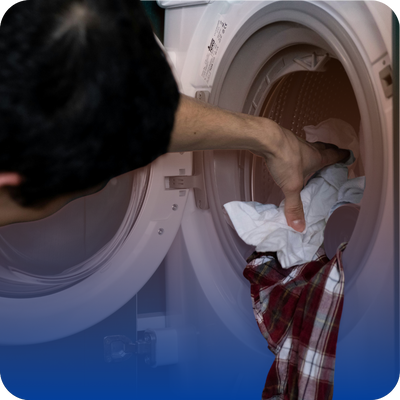
Stuffing washers with heavy loads, blocking refrigerator airflow, or putting the wrong items in dishwashers can lead to breakdowns.
6. Lack of Maintenance
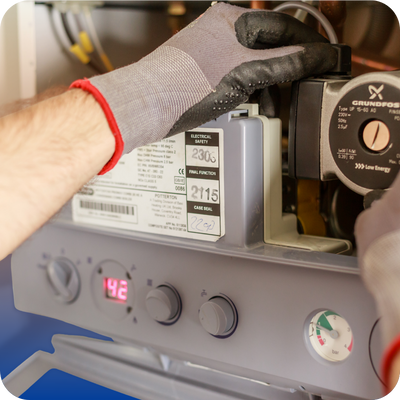
Simple habits like cleaning filters or checking hoses go a long way. Many homeowners skip this step, leading to early repairs.
7. Aging Appliances
Most appliances last 8 to 15 years. As they age, repairs become more frequent and costly.
When these problems happen, many homeowners search for the cost of appliance repair to see if the issue is minor or serious. We break that down in later sections.
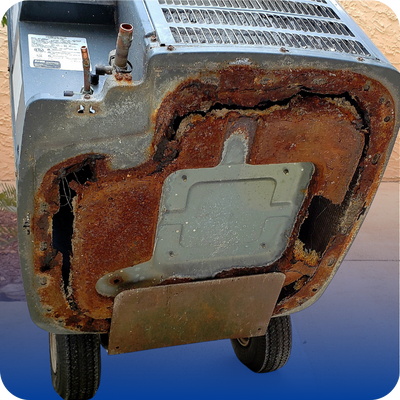
Repair vs Replacement (Decision Framework)
One of the biggest questions homeowners ask is simple: Should I repair or replace my appliance?
Here is a clear, simple framework to help you decide.
1. The 50 Percent Rule
If the repair costs more than 50 percent of the price of a new appliance, replacement is usually the smarter choice.
2. Age of the Appliance
Use this chart to help:
|
Appliance Type |
Replace After |
|
Refrigerator |
12 to 15 years |
|
Washer |
10 to 14 years |
|
Dryer |
10 to 13 years |
|
Dishwasher |
9 to 12 years |
|
Oven or Range |
13 to 20 years |
If your appliance is near the end of its lifespan, replacement is often more cost-effective.
3. Safety Concerns
If the appliance sparks, smokes, leaks gas, or causes electrical shorts, call for emergency appliance repair immediately. These issues should never be ignored.
4. Energy Efficiency
Older appliances usually cost more to run. Replacing them can save money on electricity and water over time.
5. Future Repair Risk
If one part has failed because of old age, other parts may follow. A technician can help you predict what is coming next.
6. Availability of Parts
Some manufacturers stop making parts for older models. If parts are unavailable or expensive, replacement may be necessary.
If you want a second opinion, you can find local appliance repair pros at Dr. Home Fixer to compare quotes.
How Appliance Technicians Diagnose Problems
When a technician arrives, they follow a standard process for diagnosing issues. This process helps ensure accuracy and safety.
1. Ask Questions and Review Symptoms
The technician will ask what happened, when the issue started, and what you noticed.
2. Perform a Visual Inspection
They inspect for leaks, burned components, loose wires, clogged filters, or signs of overheating.
3. Use Testing Tools
This may include multimeters, temperature sensors, pressure gauges, or diagnostic software.
4. Test Individual Components
Technicians test relays, motors, pumps, belts, switches, valves, and control boards to isolate the problem.
5. Provide a Written Diagnosis
This document usually includes a description of the problem, recommended repairs, and a cost estimate.
6. Get Homeowner Approval
Repairs only begin once you approve the written quote.
Understanding this process helps homeowners feel more confident and less stressed during a repair visit.
Typical Appliance Repair Process (Step by Step)
Appliance repair usually happens in predictable steps. Here is what a standard visit looks like.
Step 1: Scheduling the Appointment
Homeowners choose a date and time. Some repairs qualify for same-day service, especially emergency appliance repair needs.

Step 2: Technician Arrival
The technician arrives, confirms the issue, and begins the inspection.

Step 3: Diagnosis and Estimate
Most companies provide same-day estimates after completing the diagnostic process.
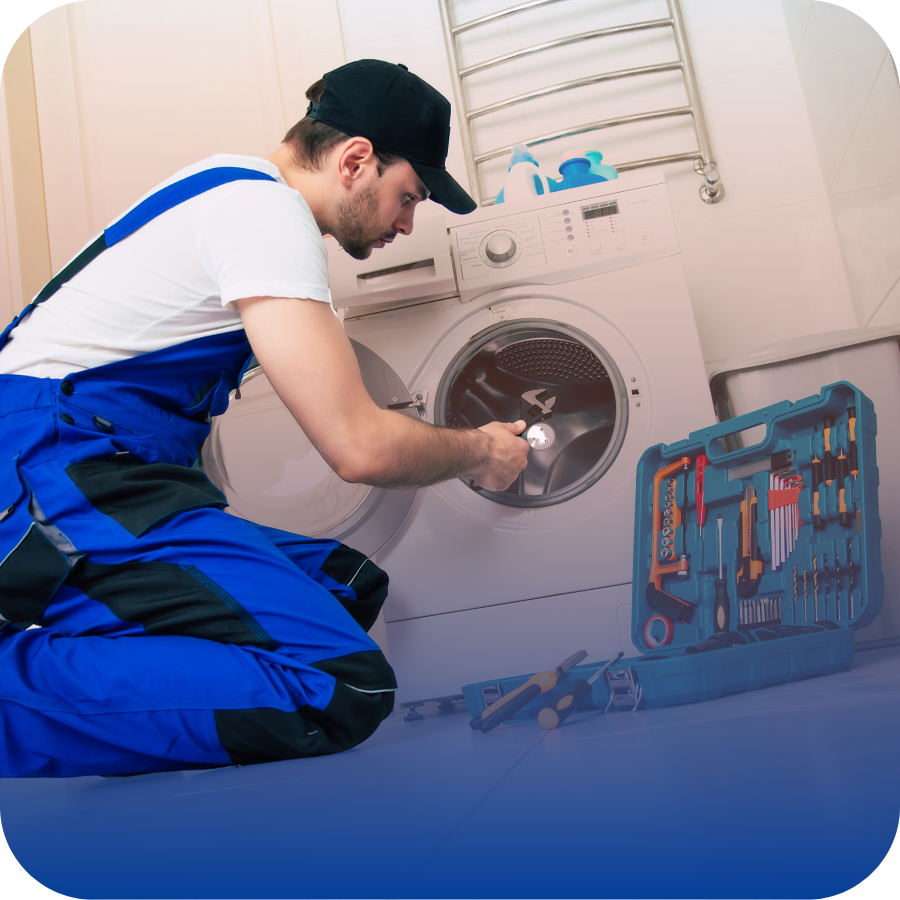
Step 4: Repair Work Begins
If parts are available, repairs may be done immediately. If special parts are required, the technician will order them.
Step 5: Final Testing
After installing new parts, the technician tests the appliance to ensure proper operation.
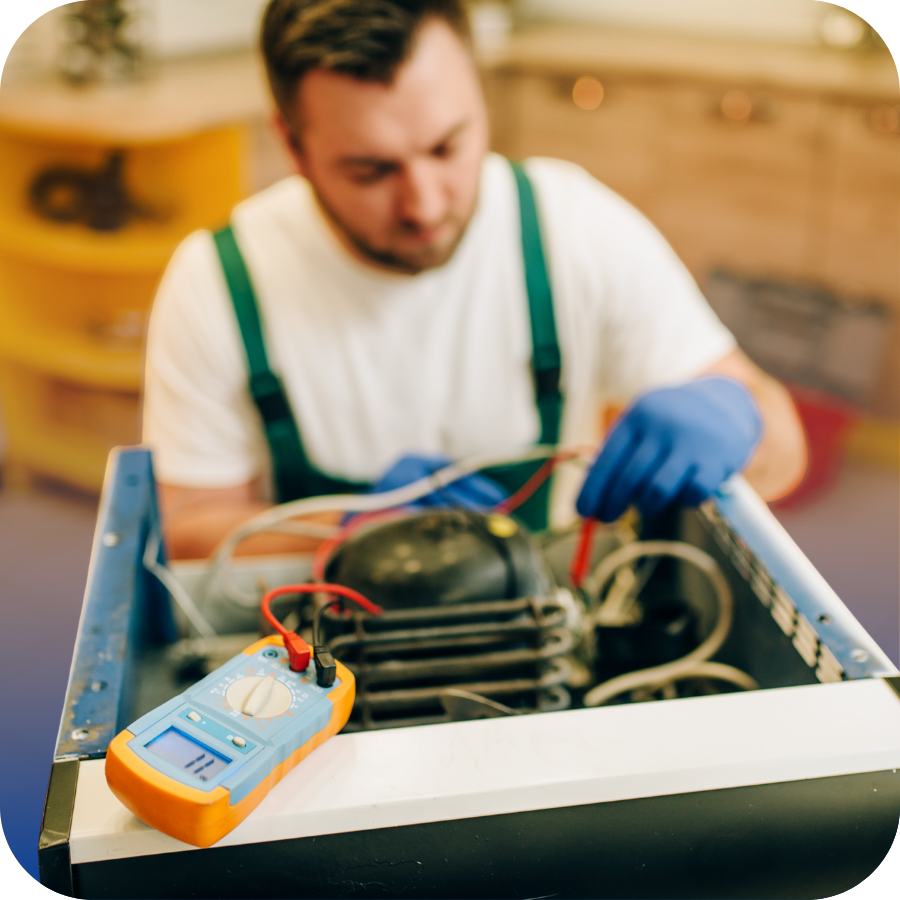
Step 6: Cleanup and Explanation
The technician explains what was fixed, what to watch for, and how to maintain the appliance.

Step 7: Payment and Warranty
Many repairs come with a warranty on both parts and labor. Make sure this is written on your receipt.
If you want help comparing providers, Dr. Home Fixer lets you find local pro appliance repair with strong reviews and verified qualifications.

How Marketplaces Help You Find Verified Appliance Technicians
Hiring the right technician is just as important as the repair itself. Modern platforms like Dr. Home Fixer make this process faster, safer, and more transparent.
1. Technician Selection Based on Your Needs
You can filter pros by location, appliance type, availability, and price range. This helps homeowners quickly match with experts instead of calling multiple companies.
2. How Marketplaces Verify Appliance Repair Technicians
Platforms like Dr. Home Fixer use a multi-step verification system. This includes:
- Identity verification
- Background checks
- License verification for electrical or gas repairs
- Insurance validation
- Review and rating monitoring
This gives homeowners peace of mind, reducing the risk of hiring unqualified workers.
3. Clear Pricing and Easy Estimates
Many platforms show price ranges so you can estimate the cost of appliance repair before booking.
4. Real Customer Reviews
Reviews help you understand professionalism, timeliness, and repair quality.
5. Better Protection for Homeowners
Verified marketplaces offer protections that independent technicians cannot always provide, such as dispute resolution and additional customer support.
When you need help quickly, you can easily find local appliance repair professionals with the skills and experience you need.
Major Mistakes Homeowners Make
Many appliance problems become bigger because of simple mistakes. Here are the most common errors and how to avoid them.
1. Ignoring Early Warning Signs
Strange noises, leaks, or smells should not be ignored. Early repairs prevent breakdowns.
2. Attempting Dangerous DIY Repairs
Some appliances involve electrical components and gas lines that require licensed professionals.
3. Not Cleaning Filters or Vents
This simple step can prevent most appliance failures.
4. Overloading Washers and Dryers
This strains motors, belts, and drums, leading to early failure.
5. Using Wrong Cleaning Products
Harsh chemicals can damage sensors, seals, and finishes.
6. Forgetting to Check the Warranty
Many homeowners are unaware that their appliance may still be under warranty. Avoiding these issues can add years to your appliances’ lifespan.
Conclusion
Appliance repair does not need to be stressful. With the right information, you can troubleshoot basic issues, understand pricing, and know exactly when to call a verified technician. Remember to evaluate repair costs, appliance age, safety concerns, and long-term efficiency when making decisions.
If you are planning a repair or considering replacement, Dr. Home Fixer can help you:
- Find Local Pro Appliance Repair
- Compare prices and qualifications
- Understand technician selection and safety standards
- Plan your home project confidently
- Explore helpful tools like the AI Room Designer and Get Funding options
Reliable repairs. Trusted technicians. Make wise decisions for your home. This approach embodies the Dr. Home Fixer philosophy.
FAQs
How much does appliance repair usually cost?
Most homeowners pay between 100 and 500 dollars, depending on the appliance, part cost, and labor.
When should I replace instead of repair?
Use the 50 percent rule. If the repair costs more than half the price of a new appliance, replacement is usually better.
Do appliance technicians need licenses?
Technicians who work with electrical or gas components must be licensed in most states.
How fast can I book emergency appliance repair?
Many providers offer same-day service for refrigerators, ovens, and washers that stop working suddenly.
How do I find local appliance repair pros I can trust?
Dr. Home Fixer verifies technicians with background checks, insurance validation, and experience reviews.