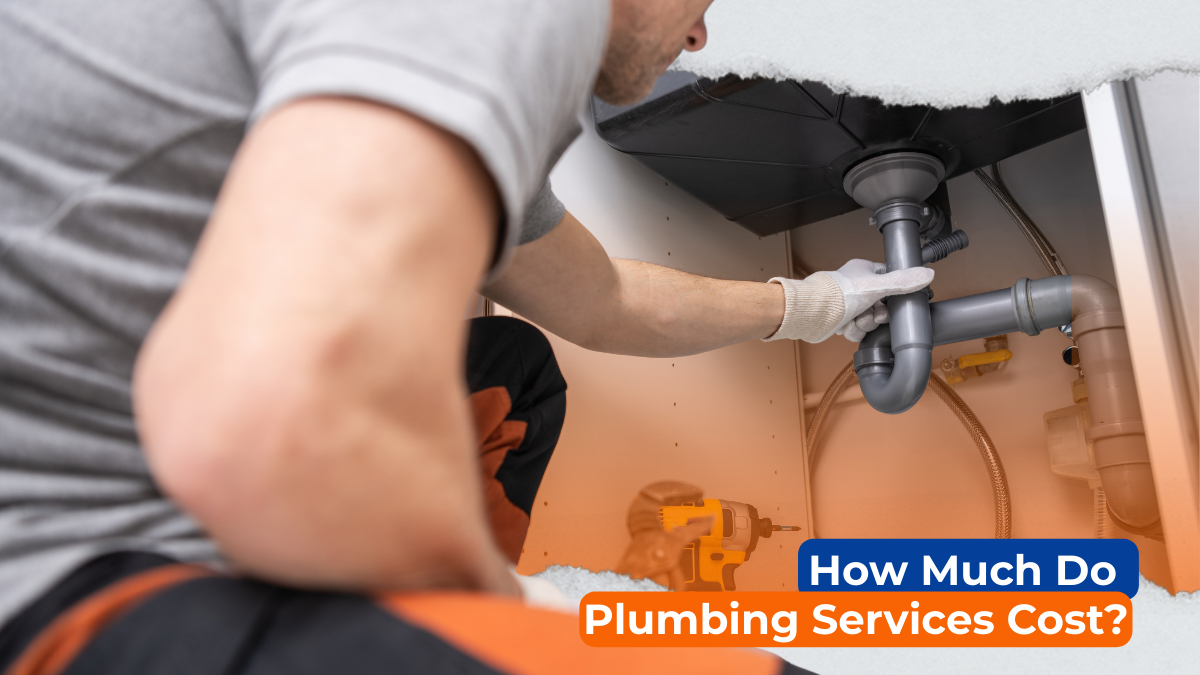
You’re having a peaceful evening at home when you suddenly notice a water drip. Checking under the sink, you discover a small puddle beginning to form. While it may appear to be a minor problem at the moment, neglecting that small leak could end up costing you hundreds or even thousands of dollars later on. This is exactly why homeowners ask the all-important question: how much does plumbing service cost?
Plumbing issues can impact your comfort but also result in serious damage. They may lead to property damage, wasted water, and even health risks if mold develops. This is why homeowners must grasp the plumbing services cost. Whether you’re facing a minor repair, a significant installation, or an urgent fix, knowing the typical costs and what influences them can help you plan your budget effectively and steer clear of surprise expenses.
In this guide, we’ll dive into the details of plumber service cost, covering everything from typical hourly rates to national averages for common plumbing jobs. You’ll also learn what factors can raise or lower the cost, plus practical tips to save money while still getting quality work.
Why Understanding Plumbing Service Cost Matters
Hiring a plumber isn’t as straightforward as purchasing a fixed-price item from a store. The cost varies based on several factors, including the job’s complexity, your location, the materials required, and even the time of day you make the call. Many homeowners experience anxiety when reaching out to a plumber because they’re unsure of what to expect. Will the repair cost $200 or could it be as much as $2,000?
Having a clear idea of typical plumbing service costs puts you in control. Instead of being surprised by the bill, you’ll know what questions to ask, when to negotiate, and when it makes sense to get a second opinion.
Understanding Plumbing Service Cost Basics
What is “plumbing services cost” vs “plumber service cost”?
These terms sound similar, but there’s a small difference worth noting:
- Plumbing services cost refers to the total price of the job, including labor, materials, permits, and any extra fees.
- Plumber service cost typically refers to the labor charges alone, based on the plumber’s hourly or flat rate.
When you receive a quote, it’s essential to request an itemized breakdown so you understand how much is allocated to labor versus materials.
Common Pricing Models
Plumbers use different pricing models, and which one you encounter often depends on the type of job.
- Hourly rate: Most common for complex or open-ended repairs. Average rates run $50 to $150 per hour.
- Flat fee: It’s typical for simple tasks, such as installing a new faucet or clearing a clogged drain. This approach offers more predictability.
Service call fee: A charge just for showing up, usually $50 to $200. Sometimes, this fee is credited toward the total if you proceed with the repair.
Typical National Ranges in the USA
Breakdown of Cost Components
When you ask, How much does plumbing service cost? The answer depends on several factors. Here’s what usually makes up the bill.
Labor Costs
Labor often makes up the largest part of the bill. Rates vary by the plumber’s skill level:
- Apprentice plumber: $25 to $50 per hour
- Journeyman plumber: $50 to $100 per hour
- Master plumber: $100 to $200 per hour
Emergency calls, evenings, and weekends often cost significantly more. Mr. Rooter notes that emergency rates can climb as high as $400 per hour.
Materials and Supplies
The type of materials used can swing costs dramatically.
- PVC piping is inexpensive, while copper and PEX cost more.
- Fixtures such as faucets, toilets, and sinks range from budget-friendly to high-end luxury models.
- Specialty items like water heaters, sump pumps, or pressure regulators add hundreds or even thousands to a bill.
Travel and Service Call Fees
If you’re located far from the plumber’s base, you might incur additional travel charges. Additionally, most plumbers have a service call fee that ranges from $50 to $200, which accounts for the time and fuel needed to get to your home.
Permit and Inspection Fees
For larger projects like sewer line replacements or new water heater installations, permits are often required. Costs vary by city, ranging from $50 to $500. Inspections may add another fee.
Complexity and Accessibility
Simple jobs like replacing a faucet are quick. However, if the repair involves cutting into walls, breaking through flooring, or even digging, the cost significantly increases. For example, repairing a pipe under a slab foundation can easily cost several thousand dollars.
Geographic Location and Cost of Living
Prices in large metropolitan areas are typically 20 to 50 percent higher than those in rural regions. For example, a plumber in San Francisco could charge around $200 per hour, whereas a plumber in a smaller town in Iowa might only charge about $75 per hour.
What Does It Cost for Common Plumbing Jobs
Plumbing jobs range from small fixes to major installations. Here’s what you can expect to pay.
Small Repairs and Maintenance
These are the most common calls plumbers receive:
- Leaky faucet repair: $125 to $250
- Clogged drain cleaning: $150 to $300
- Running toilet repair: $150 to $275
- Garbage disposal repair: $150 to $250
These jobs typically take one to two hours and often require inexpensive parts.
Mid-Range Jobs
These involve replacing fixtures or rerouting water lines:
- Toilet installation: $350 to $800, including the fixture
- Sink replacement: $400 to $1,000
- Shower or bathtub replacement: $1,000 to $3,500
- Pipe rerouting for a remodel: $1,000 to $3,000
Major Repairs and Installations
These require more labor, permits, and materials:
- Water heater installation: $1,000 to $3,500
- Main water line repair: $2,000 to $5,000
- Sewer line replacement: $3,000 to $10,000+
- Burst pipe repair: $500 to $2,500, depending on severity
Emergency Plumbing Costs
Emergencies are stressful and expensive. According to Angi and Mr. Rooter:
- After-hours service fees add $100 to $350
- Weekend or holiday calls can double hourly rates
- Emergency sewer or water line repairs may start at $1,000 and go much higher
How Much Does It Cost to Hire a Plumber
National Average Hourly Rate vs Flat Job Rate
What Influences Quotes
When comparing plumber service costs, the quote you receive may differ based on:
- Time of day (emergency or regular hours)
- Materials required (PVC vs copper vs PEX)
- The plumber’s experience level
- Distance traveled to your home
- Regional cost of living
Tips for Getting Accurate Estimates
- Always request itemized quotes to see exactly what you’re paying for.
- Compare at least three different plumbers for bigger jobs.
- Ask whether permits and inspections are included.
- Check warranty coverage on both labor and parts.
Cost Comparisons by Region and State

Metro vs Rural Areas
- New York City: $150 to $250 per hour
- Los Angeles: $125 to $200 per hour
- Rural Midwest: $75 to $120 per hour
Licensing and Regulation Differences
Certain states only allow journeyman-level plumbers for basic jobs, while others require a master plumber. Tighter regulations lead to higher average rates.
Case Studies
- Texas: Dallas homeowner paid $2,500 for main water line repair.
- Florida: Sewer line clog in Miami costs $450, compared to $300 in a rural county.
- California: Water heater installation in San Francisco averaged $3,000, while in Fresno it was $1,800.
Additional Related Costs to Consider

Plumbing and Remodeling
If you’re planning a bathroom or kitchen remodel, plumbing often makes up a big chunk of the budget. Moving water lines or adding new fixtures can add $1,000 to $5,000 to the overall project.
Plumbing and HVAC
Plumbing sometimes overlaps with HVAC, especially with water heaters, boilers, and radiant heating systems.
Plumbing and Electrical
Water and electricity don’t mix, but they often meet in home systems like sump pumps and water heaters.
Conclusion
Plumbing costs can feel unpredictable, but with the right knowledge, you can approach repairs and installations with confidence.
- Small jobs: $125 to $350
- Mid-range jobs: $350 to $1,500
- Major repairs: $1,500 to $5,000+
- Emergency calls: Double or triple standard rates
The key is to get multiple quotes, ask for itemized breakdowns, and work with licensed, insured professionals. If you want a reliable experience, Dr. Home Fixer can connect you with trusted local experts who will get the job done right.
Want more guidance? Check out our detailed resources on electrical services, HVAC maintenance, and kitchen & bathroom remodeling.
FAQs
Why are some plumbing services so expensive?
Becoming a plumber involves years of training, obtaining certification, and securing a license. Plumbers also have liability insurance and spend money on specialized tools. The need for emergency services and the high demand for their work contribute to rising costs.
What’s included and excluded in quotes?
- Included: labor, parts, and service call fee.
- Excluded: permits, inspections, after-hours surcharges, and major demolition or restoration work.
Is DIY cheaper, and what can you do yourself?
Doing it yourself can help you save money on minor tasks such as unclogging drains, changing faucet washers, or putting in a showerhead. However, larger jobs like installing water heaters or repairing sewers should always be handled by professionals. Errors in these situations can lead to significant damage.
How can homeowners save on plumbing costs?
- Combine multiple repairs into one visit.
- Schedule non-urgent work during regular business hours.
- Perform regular maintenance to prevent emergencies.
- Choose eco-friendly fixtures that save water and reduce long-term bills.
Need Help Managing Plumbing Repairs and Upgrades?
Whether you’re tackling minor leaks, major installations, or urgent repairs, Dr. Home Fixer makes it simpler.
- Track plumbing repairs and maintenance schedules
- Get reminders before small issues turn into costly problems
- Know when to repair, replace, or upgrade fixtures and systems
Clear choices. No regrets. Just smart plumbing solutions, all in one convenient place.